
“They said it would never work.”
“They said investing was too niche for Indian households.”
Both statements were, in a way, true. India had never before embraced the culture of venture investing on television. Business discussions were confined to boardrooms, not living rooms. The idea of millions of viewers cheering on entrepreneurs pitching for equity seemed unrealistic.
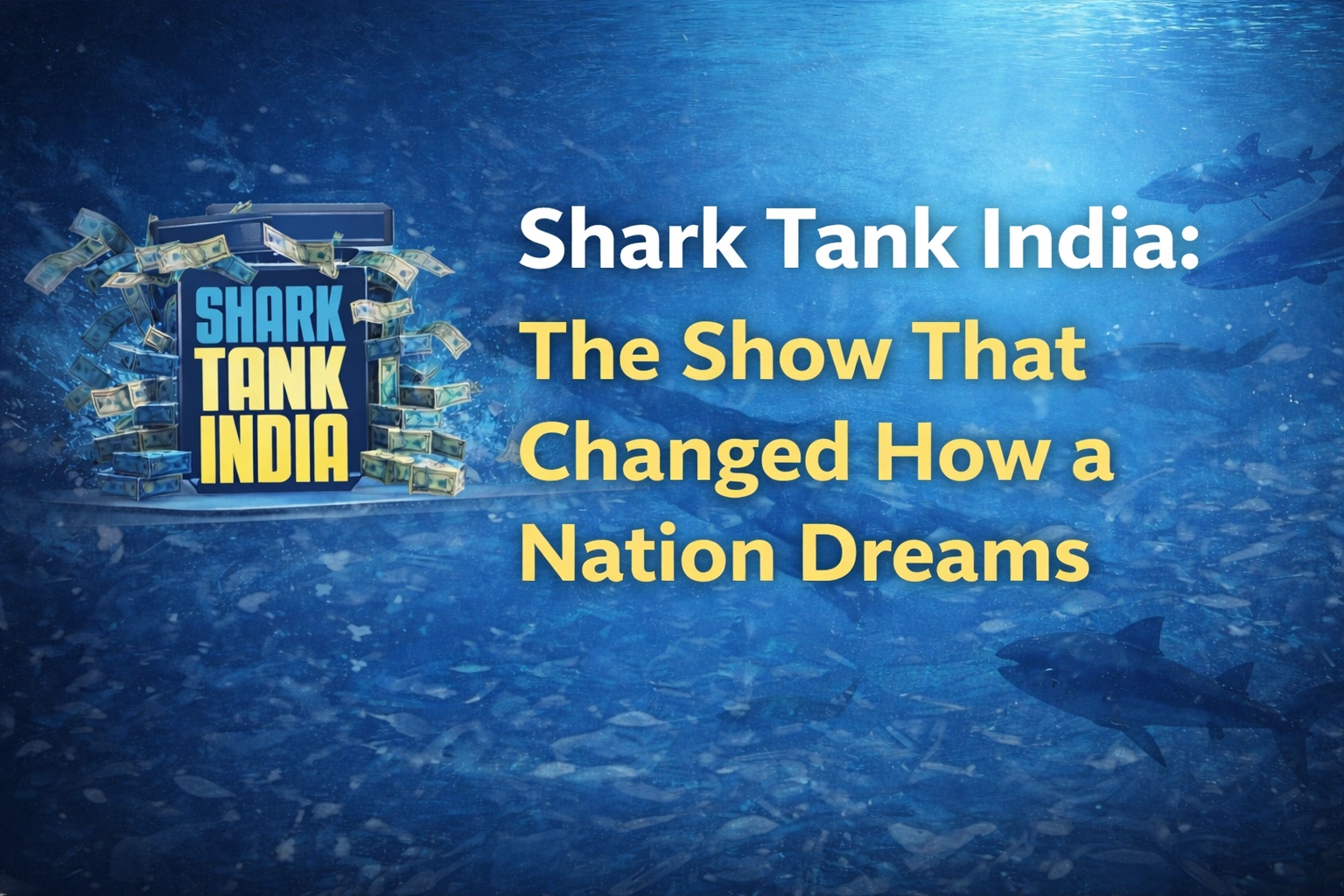
And yet, four years and five seasons later, those early doubts now sound like echoes from another era. Shark Tank India has not only worked — it has become a cultural phenomenon, reshaping how Indians see entrepreneurship, risk, and ambition.
Because, as it turns out, Shark Tank India was never meant to be just a show about investments. It was designed to give underdogs a belief, a platform, and a voice — while bringing the stories of real Indian dreamers into our homes.
A Show That Sparked a Movement
When the first season aired in 2021, expectations were modest. The original American show had taken years to build credibility and scale. But India’s context was different — the startup ecosystem was booming, and the youth were restless for change.
Fast forward to today, and the numbers tell a powerful story:
-
2000 founders have stepped into the Tank over just four years.
-
952 pitches made it to air.
-
250 episodes were produced across five seasons (for comparison, Shark Tank US took 16 seasons to reach 350 episodes).
-
436 deals were closed.
-
₹388 crore was committed in funding.
But beyond the numbers, what’s remarkable is the ripple effect the show has had across the country.
For every pitch that aired, there were thousands of viewers — from small-town students to corporate professionals — watching, learning, and realizing that business doesn’t have to be a foreign concept. It can be deeply Indian, built around our culture, our challenges, and our spirit of “jugaad” innovation.
The Impact That Actually Counts
It’s easy to think of Shark Tank India as just entertainment. But its impact extends far beyond TRPs and viral memes.
Consider these outcomes:
-
20+ companies from the show have crossed ₹50 crore in annualized revenue.
-
50+ startups have grown 5X after their appearance.
-
30+ ventures have gone on to raise institutional or strategic capital.
-
And one company has already gone public.
These aren’t just success stories for entrepreneurs — they translate to real jobs, new industries, and rising aspirations. Each deal represents a cluster of livelihoods, skills, and innovations taking root across India’s cities and towns.
In essence, Shark Tank India has become a living showcase of Indian excellence, proving that global-class ideas can come from anywhere — not just from the metros or elite campuses.
Who Are India’s Builders, Really?
Perhaps the most refreshing part of Shark Tank India’s journey is how it has shattered old stereotypes about who gets to be an entrepreneur.
The data is both surprising and inspiring:
-
80% of pitchers were from non-Ivy League, non-pedigree backgrounds.
-
43% of pitches featured at least one woman founder — compared to less than 10% representation in the broader startup ecosystem.
-
20% of founders in Season 5 were over 40, a number that’s grown steadily since Season 1.
-
30% of co-founders were family members.
This is a profound shift.
The new Indian entrepreneurs aren’t just young men coding in dorm rooms. They’re mothers designing eco-friendly products, middle-aged professionals solving local problems, and families turning generational crafts into scalable ventures.
This diversity has injected authenticity into India’s startup story. It’s no longer about flashy valuations or Western-style pitches; it’s about real people solving real problems in their communities.
Where It’s Headed: The Next Evolution of the Tank
By Season 5, the show had matured — and so had the ecosystem it represented. Three clear trends emerged:
-
Founders building global businesses from Day 1:
More and more Indian startups are targeting international markets right from inception. From skincare to SaaS, these entrepreneurs aren’t thinking small. They’re building products designed for scale and global relevance. -
A meaningful rise in AI-native businesses:
With the global AI boom, Indian founders are leveraging machine learning, automation, and data intelligence to solve unique challenges — from agriculture to healthcare. What’s heartening is that these aren’t copy-paste ideas from Silicon Valley; they’re rooted in Indian realities. -
Valuations staying range-bound:
After years of hype and inflated valuations, sanity is making a comeback. Founders are focusing on building sustainable businesses rather than chasing vanity metrics. This signals a healthy, maturing startup culture — one that values resilience over rapid burn.
These aren’t just trends; they reflect a mindset shift. India’s startup scene is evolving from a phase of experimentation to one of sustainable growth — a sign of deepening confidence and maturity.
The Unsung Heroes Behind the Scenes
For all the glamour on screen, the real magic of Shark Tank India lies in the teamwork behind it.
-
The 2000 courageous founders who dared to dream out loud.
-
The 200+ crew members and producers who turned those dreams into compelling stories.
-
The original Sharks who took a chance on an untested format and became household names in the process.
-
And of course, the audience — millions who tuned in, discussed deals at dinner tables, and even took the first steps toward their own ventures.
In many ways, this ecosystem of creators, participants, and viewers collectively fueled India’s new entrepreneurial movement.
Cultural Relevance: More Than Just Startups
What truly sets Shark Tank India apart is its cultural resonance.
It tapped into something deeply Indian — the innate desire to build, to “do something of our own.” For decades, Indian parents encouraged stable jobs, not startups. But now, conversations have changed. Families discuss equity splits and revenue models over chai. Children grow up hearing phrases like “valuation” and “pivot.”
Entrepreneurship is no longer an alien concept — it’s part of our social fabric.
The show has also humanized failure. Entrepreneurs who didn’t get deals still walked away with validation and visibility, often using that exposure to secure funding later. It’s teaching India that failure isn’t shameful — it’s part of the journey.
The Broader Impact: India’s Aspirational Identity
Every successful Shark Tank India pitch adds a new chapter to the story of a self-confident nation. It reflects a society ready to take risks, challenge norms, and dream big.
India’s startup ecosystem has grown from 5000 startups in 2015 to over 100,000 today. And while Shark Tank India isn’t solely responsible, it’s been a major catalyst — democratizing entrepreneurship and making it accessible to all.
More importantly, it has inspired the next generation of innovators who now believe that a good idea, passion, and persistence can be just as powerful as an MBA.
Conclusion: From a TV Show to a National Movement
When Shark Tank India first aired, it wasn’t just introducing a new show — it was introducing a new way of thinking.
Four years later, it has transformed into a symbol of India’s ambition — bold, diverse, and resilient. It’s no longer about just deals or valuations; it’s about redefining success itself.
As the show gears up for future seasons, one thing is certain: it has already changed the national psyche. It has made entrepreneurship aspirational yet relatable, courageous yet achievable.
So, yes, they said it would never work.
But in the end, Shark Tank India didn’t just work — it made India believe again.
Believe in dreams. In action. In possibility.
Because sometimes, what starts as a TV show becomes a mirror to a nation finding its voice. ????????

Ruchi Kumar is the associate editor at Entrepreneur News Network and TVW News India, where she leads editorial strategy, brand storytelling, and startup ecosystem coverage. With a strong focus on innovation, business, and marketing insights, he curates impactful narratives that spotlight India’s evolving entrepreneurial landscape. She has written extensively on fintech, AI and emerging startups.