

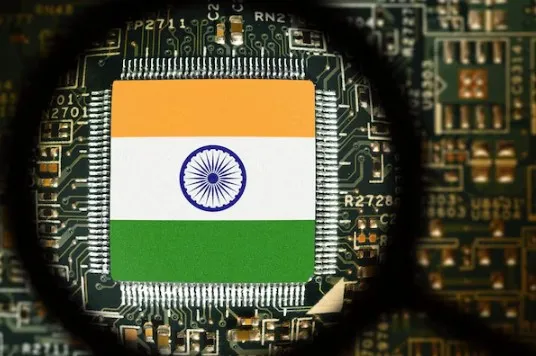
India is preparing to enter the next phase of its semiconductor journey with the launch of Semicon 2.0, a strategy designed to strengthen the country’s position in the global semiconductor industry by focusing on chip design, semiconductor equipment, materials, research, and talent development.
The initiative marks a significant evolution of the India Semiconductor Mission (ISM), moving beyond fabrication facilities to create a comprehensive semiconductor ecosystem capable of supporting long-term industry growth and reducing dependence on imports.
Union Minister Ashwini Vaishnaw recently outlined the government’s vision for the next phase of the programme, highlighting the importance of developing capabilities across the entire semiconductor value chain rather than concentrating solely on manufacturing plants.
India Looks Beyond Semiconductor Fabrication
Over the past few years, India has attracted significant investments in semiconductor fabrication, assembly, testing, and packaging facilities. While these projects have laid the foundation for domestic chip manufacturing, policymakers increasingly recognize that a sustainable semiconductor industry requires a broader ecosystem.
Under Semicon 2.0, the government plans to encourage growth in several critical areas, including:
- Semiconductor design and product development
- Manufacturing equipment and machinery
- Semiconductor materials and raw materials
- Design intellectual property (IP)
- Research and innovation infrastructure
- Advanced packaging technologies
- Supply chain development
The strategy aims to position India not only as a manufacturing destination but also as a global hub for semiconductor innovation and technology development.
Strengthening Indigenous Chip Design Capabilities
One of the central pillars of Semicon 2.0 is the development of India’s chip design ecosystem.
Industry experts have long argued that chip design represents one of the highest-value segments of the semiconductor industry. By supporting domestic design capabilities, India hopes to create globally competitive semiconductor products while building intellectual property ownership within the country.
The government plans to encourage startups, research institutions, and technology companies to participate in semiconductor innovation, enabling the creation of homegrown chip technologies for domestic and international markets.
According to policymakers, indigenous chip design and productisation will remain among the highest priorities under the next phase of the India Semiconductor Mission.
Building a Strong Semiconductor Ecosystem
Semiconductor manufacturing relies on a vast network of supporting industries, including equipment suppliers, material producers, software providers, and research organizations.
Semicon 2.0 seeks to strengthen these ecosystem components by attracting investment and fostering partnerships across the semiconductor supply chain.
Key focus areas include:
- Wafer manufacturing materials
- Specialty chemicals and gases
- Semiconductor manufacturing equipment
- Testing and measurement technologies
- Electronic design automation (EDA) tools
- Research and development infrastructure
By expanding capabilities in these areas, India aims to improve supply chain resilience while reducing reliance on imported technologies and components.
Talent Development Becomes a Strategic Priority
The success of any semiconductor ecosystem depends heavily on the availability of skilled professionals.
Recognizing this, the government plans to expand semiconductor-focused education and training programmes across engineering colleges, universities, and technical institutions.
The initiative will focus on developing expertise in areas such as:
- Chip design engineering
- Semiconductor manufacturing
- Electronic system design
- Materials science
- Process engineering
- Advanced packaging technologies
Industry leaders have repeatedly highlighted the need for a robust talent pipeline as global semiconductor demand continues to rise.
By investing in workforce development, India aims to position itself as a global source of semiconductor talent while supporting the growth of domestic manufacturing and design capabilities.
Supporting Deep-Tech Innovation and Startups
Another important component of Semicon 2.0 is the promotion of deep-tech entrepreneurship.
The government intends to create opportunities for startups working in semiconductor design, embedded systems, AI hardware, advanced electronics, and related technologies.
Industry experts believe that fostering innovation-led startups could help India create proprietary semiconductor technologies and globally competitive intellectual property.
As global demand for specialized chips grows across sectors such as artificial intelligence, automotive electronics, telecommunications, and industrial automation, startups are expected to play an increasingly important role in driving innovation.
Enhancing India’s Role in the Global Semiconductor Industry
The semiconductor sector has become a strategic priority for nations worldwide due to its critical role in economic growth, digital transformation, and national security.
With global supply chains undergoing significant shifts, countries are increasingly seeking to build resilient domestic semiconductor capabilities.
India’s Semicon 2.0 strategy reflects its ambition to become a key participant in the global semiconductor ecosystem by creating strengths across design, manufacturing, materials, equipment, and talent development.
The approach aligns with broader national objectives of boosting advanced manufacturing, supporting technology innovation, and strengthening India’s position in global electronics value chains.
Outlook
As investments in semiconductor fabrication and packaging facilities continue to gain momentum, Semicon 2.0 represents the next stage of India’s semiconductor ambitions.
By focusing on ecosystem development, indigenous innovation, talent creation, and supply chain resilience, the government aims to build a comprehensive semiconductor industry that extends far beyond chip manufacturing alone.
With demand for semiconductors expected to grow rapidly over the coming decades, India’s efforts to develop capabilities across the entire value chain could play a crucial role in establishing the country as a global semiconductor powerhouse and a leading destination for advanced electronics manufacturing and innovation.

Ruchi Kumar is the associate editor at Entrepreneur News Network and TVW News India, where she leads editorial strategy, brand storytelling, and startup ecosystem coverage. With a strong focus on innovation, business, and marketing insights, he curates impactful narratives that spotlight India’s evolving entrepreneurial landscape. She has written extensively on fintech, AI and emerging startups.