
A Bengaluru platform that once claimed half a million users across 30 countries — and a Shark Tank India feature to its name — has gone dark, raising fresh questions about how sustainable niche professional networks really are.
Medial founder and CEO Niket Raj Dwivedi confirmed in a LinkedIn post that read part farewell, part reflection.
“Our aim with Medial was to create a home for the startup ecosystem on the internet that could help founders, employees, and investors, while bridging the gap in access and information between Tier I and Tier II and III cities. Geography shouldn’t ever be a limitation,” Dwivedi wrote, marking the end of a journey that once looked like one of India’s more promising bets on niche professional networking.
A Platform Built for the Builders
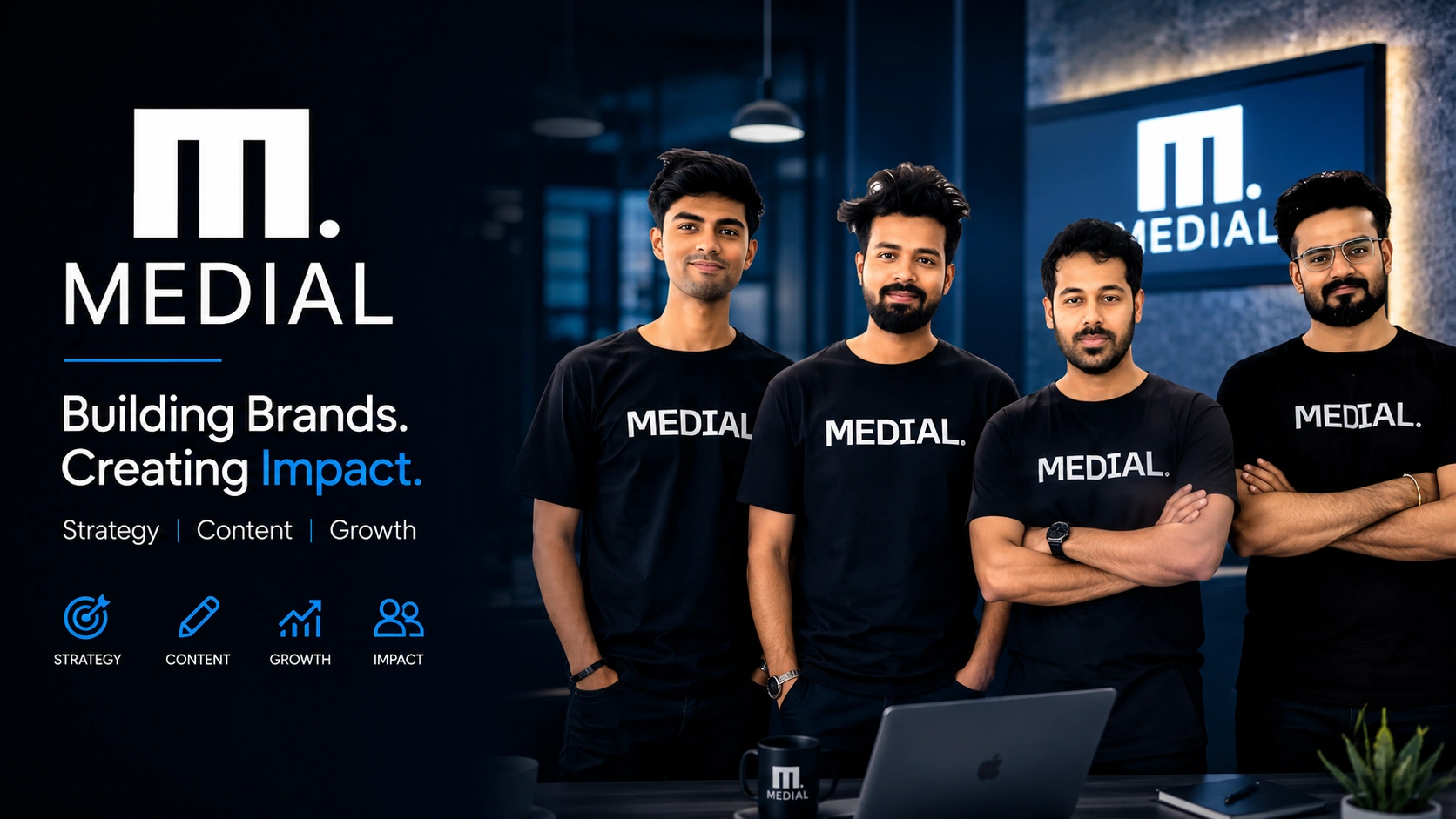
Medial wasn’t just another social app chasing scale. Founded by Dwivedi alongside Aishwarya Raj Pandey, Prateek Kaien, and Harsh Dwivedi, it was conceived as a content-and-community-driven space specifically for India’s tech and startup ecosystem — a place where founders could talk shop, employees could vent about workplace realities, and investors could keep a pulse on emerging companies without wading through the noise of mainstream social media.
The platform’s pitch was distinctive in one particular way: it let users choose between real identity and anonymous participation. That dual structure meant a founder could post a funding announcement under their own name in one thread, and in another, an employee could candidly discuss a toxic workplace culture without fear of being identified. It was a hybrid Medial hoped would give it an edge over more rigid networks.
From Shark Tank to Scale
Medial’s growth story had genuine momentum behind it. The startup secured $500,000 in a funding round led by Ortella Global Capital (OG Capital) in December 2024, and its founders took the pitch to a national stage with a feature on Shark Tank India — the kind of visibility most early-stage platforms can only dream of.
By its own account, the traction followed: over 500,000 users across 30 countries, a claimed 10X user growth in a single year, and a sixfold jump in engagement. To sweeten the offering further, Medial layered in a premium subscription tier — giving paying users access to VC and grant trackers, accelerator and incubator databases, curated startup job listings, and exclusive content unavailable to free users.
A Crowded Fight for Niche Attention
Medial entered a battlefield that was anything but empty. It positioned itself directly against platforms like Grapevine, Hood, Fishbowl, Blind, and even Reddit — all vying for the same slice of professional attention: people who want workplace candor and industry insight without the performative polish of mainstream networks like LinkedIn.
That’s a notoriously difficult category to win. Anonymous-plus-identified professional networks live or die on trust, moderation quality, and — critically — a network effect that has to reach a tipping point before it becomes indispensable. Several well-funded global players in this exact space have struggled with retention once the initial novelty fades, and Medial’s shutdown suggests the Indian market was no exception to that pattern.
What Dwivedi’s Note Really Signals
What stands out in Dwivedi’s announcement isn’t just the shutdown itself — it’s the mission statement embedded in it. Medial wasn’t only trying to be a workplace-gossip app or a founder’s Twitter; it was explicitly trying to solve a structural information gap between India’s Tier I cities and the Tier II/III towns where access to startup ecosystems, mentorship, and capital has historically been thin.
That’s an ambitious, almost infrastructural goal for a content platform to carry — and it’s a reminder of how many Indian startups building “access” products for underserved geographies are really fighting two battles at once: building a habit-forming product, and building the very market infrastructure that habit depends on.
The Bigger Question for India’s Startup-Media Ecosystem
Medial’s exit doesn’t erase what it built or the community it briefly held together — a claimed half-million users don’t materialize from nothing. But it does add to a growing list of niche social and community platforms globally that have discovered a hard truth: strong early growth numbers, a marquee TV appearance, and even institutional funding aren’t guarantees of durability in a category where user attention is brutally fickle and monetization is slow to mature.
For India’s startup ecosystem — which has no shortage of founders trying to build the “next” community platform for builders — Medial’s story is likely to become a reference point. Not as a cautionary tale of failure alone, but as a case study in how hard it is to turn a good mission statement into a lasting habit.
As Dwivedi put it, geography shouldn’t be a limitation. The irony is that in the end, it wasn’t geography that closed Medial’s doors — it was the same unforgiving math of retention and revenue that determines the fate of nearly every social platform, niche or not.
This story is based on statements made by Medial founder and CEO Niket Raj Dwivedi in a public LinkedIn post.
Karnataka to Launch India’s First Government-Led AI University and AI Hub

Ruchi Kumar is the associate editor at Entrepreneur News Network and TVW News India, where she leads editorial strategy, brand storytelling, and startup ecosystem coverage. With a strong focus on innovation, business, and marketing insights, he curates impactful narratives that spotlight India’s evolving entrepreneurial landscape. She has written extensively on fintech, AI and emerging startups.